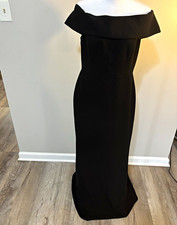
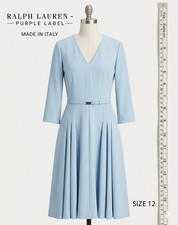
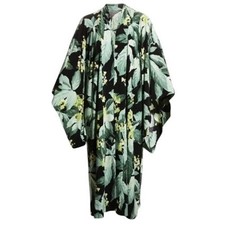
Navigating the second-hand dress market means balancing an immense variety of styles, fabrics, and labels against a very wide price spectrum. Whether you are hunting for everyday casual wear, resort-ready sundresses, or statement evening gowns, shopping pre-owned opens up access to high-end brands at a fraction of their original retail cost.
Prices in this category typically cluster around a median of roughly $20 for standard mall and contemporary brands, but the broader market stretches from under $5 fast-fashion pieces up to hundreds of dollars for luxury designer items and vintage silk garments. Understanding how condition grades, fabric composition, and brand reputation interact will help you secure a piece that meets your expectations.
The single most important step when purchasing a pre-owned dress is verifying exact measurements rather than relying solely on the listed size tag. Vintage sizing, international conversion differences, and previous wash cycles can significantly alter how a garment fits.
Understanding the Price Spread
The pre-owned dress market spans a massive financial range, driven primarily by brand pedigree, fabric quality, and garment complexity. Entry-level pieces under the $13 mark generally consist of contemporary mall brands, polyester blends, and fast-fashion labels.
Moving into the mid-tier band between $13 and $28, you will find reliable everyday wear, structured work dresses, and popular contemporary labels crafted from cotton, rayon, and standard blends. This is where most standard casual and office-appropriate options reside.
The upper end of the mainstream pre-owned spectrum, stretching beyond $28 and climbing past $50 for standard listings, features higher-end contemporary designers, specialty prints, and heavy seasonal fabrics. Rare vintage silk pieces, heavy formal gowns, and top-tier luxury labels command even higher premiums, occasionally reaching hundreds of dollars depending on provenance and craftsmanship.
Condition Tiers in Practice
Pre-owned dress listings typically fall into distinct condition categories that directly impact both price and wearability. Understanding what sellers mean by these tiers helps manage expectations upon delivery.
Items graded as excellent condition usually show minimal signs of wear, having been worn only a handful of times or meticulously cared for. These pieces generally feature intact hardware, secure stitching, and vibrant colors without fading or pilling.
Items marked as good condition may display minor cosmetic blemishes, slight hardware scuffs, or normal signs of laundering. When buying in this tier, carefully review all photos for localized wear around high-friction areas like underarms, waistbands, and hems.
Fabric Composition and Quality Signals
Material selection is a primary driver of both comfort and long-term durability in second-hand dresses. Natural fibers such as silk, linen, and 100% cotton generally hold their value better and offer superior breathability compared to synthetic counterparts.
When browsing listings that feature delicate fabrics like silk satin or lightweight linen, pay close attention to descriptions regarding lining and weave integrity. Silk bias-cut slips and structured linen shirt dresses require specific care, and knowing the fiber content helps you anticipate maintenance requirements.
Synthetic blends, including polyester and spandex mixtures, dominate the lower-to-mid price tiers. While these offer stretch and wrinkle resistance, checking the fabric tag details in listing photos ensures you know whether a garment provides structural support or relies entirely on stretch.
Sizing Realities Across Decades and Brands
Standardized sizing is notoriously inconsistent in women's apparel, and this issue is magnified in the second-hand market. Vintage items, international imports, and modern fast-fashion pieces all adhere to completely different size scales.
A size 8 from one contemporary maker may fit completely differently than a vintage size 12 or a European import. Sellers who provide flat-lay measurements—such as pit-to-pit width, waist circumference, and total shoulder-to-hem length—offer the most reliable path to a successful purchase.
Always compare provided garment measurements against a similar non-stretchy item you already own that fits well. Relying purely on a letter size or numerical tag without checking manual measurements significantly increases the risk of an improper fit.
Common Buyer Regrets to Avoid
The most frequent regret among second-hand dress buyers stems from overlooking specific structural details hidden in plain sight. Missing belts, detached lining slips, and unphotographed zipper issues can turn a bargain find into a tailoring project.
Another common pitfall is ignoring fabric care instructions. Purchasing a delicate dry-clean-only silk gown or heavily beaded formal dress without factoring in the extra maintenance cost can diminish the value of your initial purchase.
Finally, failing to scrutinize the return policy before purchasing final-sale items leaves buyers stuck with pieces that do not match their expectations in color, drape, or fabric weight.
Evaluating Listing Details and Seller Transparency
Because pre-owned inventory is entirely unique piece by piece, the quality of the listing description matters immensely. Trustworthy listings typically feature multiple angles, clear shots of tags, and close-ups of any noted flaws.
Pay attention to whether the seller provides context about storage, such as smoke-free environments or laundering history, which indicates a careful handling of delicate textiles.
High-volume sellers and niche curators often provide consistent measurements and condition notes, making it easier to evaluate their inventory compared to casual closet clear-out listings with minimal text.
Before you buy
- Compare the seller's manual flat-lay measurements against a well-fitting dress you already own.
- Examine all provided photos closely for signs of fabric fading, pilling, or seam stress.
- Check the inner tag details for fabric composition to understand cleaning requirements before purchasing.
- Verify whether removable accessories like matching self-tie belts or slip linings are included in the sale.
- Read the condition notes carefully to distinguish between minor cosmetic wear and functional defects.
- Factor potential dry-cleaning or minor tailoring costs into your overall budget for vintage or formal pieces.
Frequently asked questions
How can I ensure a pre-owned dress will fit properly?
Always request or look for flat-lay measurements including bust, waist, hips, and length. Do not rely solely on the brand's tagged size, as vintage and international sizing varies widely.
What does 'good condition' typically mean for a used dress?
Good condition indicates that the garment has been worn and washed regularly, showing minor signs of wear such as faint fabric softening or slight hardware scuffs, but remains fully functional and wearable.
Why are some pre-owned silk dresses priced much higher than others?
Pricing is heavily influenced by fabric weight, designer reputation, vintage provenance, and whether the item features complex construction like bias-cutting or hand-embroidery.
Are fast-fashion brands worth buying pre-owned?
Fast-fashion dresses often appear at the lowest price points, making them budget-friendly options, but their synthetic fabrics and lighter construction mean they may show wear faster than natural fiber garments.
Should I check for missing accessories like matching belts?
Yes, many shirt dresses and wrap styles are designed to be worn with a specific fabric belt. Always check the listing description and photos to confirm whether the original belt is included.
How do I care for second-hand delicate fabrics upon arrival?
Inspect the inner care tag immediately. Many vintage silk, wool, and structured linen dresses require professional dry cleaning to maintain their texture and shape.
What is the typical price range for casual cotton sundresses?
Most standard everyday casual and cotton sundresses in pre-owned condition land comfortably in the budget-to-mid tier between $10 and $30 depending on the brand.