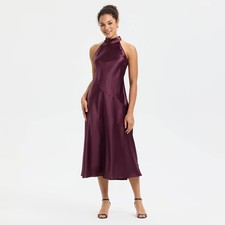
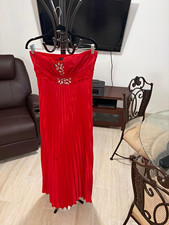
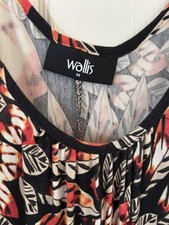
Shopping for polyester dresses on the resale and secondary market opens up a massive selection ranging from everyday casual wear and office-ready midis to structured evening gowns. Because polyester is prized for its durability, wrinkle resistance, and ability to hold vibrant prints and sharp pleats, it forms the backbone of a huge portion of contemporary fast-fashion and department store inventories.
Prices in this category are remarkably accessible, with a typical median hovering right around the $16 mark for standard new items, while clean pre-owned pieces often settle into a slightly higher mid-band depending on brand tier and complexity. Understanding the difference between basic everyday polyester weaves and specialized specialty fabrics will help you find the right balance of cost and longevity.
Navigating millions of listings requires knowing what drives value, how different condition tiers actually hold up, and what specific garment construction details to verify before purchasing.
Understanding the Price Spread
The market for polyester dresses spans a very wide financial spectrum, stretching from bargain entry-level pieces priced under $10 up to specialty designer items and formal gowns exceeding $100. The absolute floor of the market usually consists of fast-fashion overstock, basic factory-direct items, or simpler pre-owned mini and sundresses.
The core middle band, roughly spanning from $13 to $24, captures the bulk of standard retail brand overstock and lightly worn contemporary pieces. Items sitting in the upper tiers typically feature specialized details such as heavy structural lining, intricate beading, complex pleating, or luxury designer labels.
New Versus Pre-Owned Condition Tiers
The vast majority of available inventory in this category consists of items tagged as brand new, often sourced from retail liquidators, overstock distributors, or closet clear-outs. New with tags pieces offer predictability in sizing and zero wear history, making them the safest bet for standard retail brands.
Pre-owned inventory, while smaller in volume, often features higher-end designer labels or vintage pieces where the original retail price was significantly elevated. When buying pre-owned polyester, condition grades like excellent generally mean minor or zero signs of wear, while good condition items may show slight fabric fatigue or require minor seam checks.
Fabric Blends and Weight Variations
Not all polyester dresses feel the same. Pure 100% polyester can range from stiff, structured satin and taffeta used in formal wear to ultra-lightweight chiffon used in flowing maxi dresses and summer sundresses.
Many everyday styles incorporate blends featuring rayon, elastane, or spandex to add stretch and a softer hand-feel. When reviewing a listing, checking whether the fabric has stretch or requires a specific lining is crucial for ensuring the right fit and comfort level.
Common Styles Found in This Category
Polyester's versatility allows it to be molded into virtually every dress silhouette imaginable. Casual A-line cuts, shift dresses, and ribbed sweater styles dominate the lower-to-middle price bands for everyday wear.
On the formal and semi-formal side, polyester satin, crepe, and chiffon are heavily utilized for cocktail parties, prom gowns, and bridesmaid dresses. These structured styles rely heavily on interior linings and proper zipper construction to maintain their shape.
How to Vet a Listing Before Buying
Because synthetic fabrics can drape and fit very differently depending on cut and manufacturer sizing inconsistencies, relying solely on a tag size can lead to surprises. Always look for flat-lay measurements provided by the seller, particularly for the bust, waist, and total garment length.
Examine listing photos closely for signs of pilling, pulled threads at the seams, or issues with hardware such as hidden zippers and buttons. Knowing whether a dress is machine washable or strictly dry-clean only will also save you maintenance headaches down the road.
Before you buy
- Always check the seller's provided flat-lay measurements for the bust and waist rather than trusting the label size alone.
- Verify whether the fabric is a 100% synthetic weave or a stretch blend depending on your desired level of comfort.
- Review high-resolution photos for potential snags or pulled threads, which are common in lightweight polyester chiffon and satin.
- Check the garment care instructions to confirm if the dress requires professional dry cleaning or can be machine washed.
- Inspect the listing details to see if a slip or inner lining is included, particularly for lighter-colored or sheer polyester fabrics.
- Confirm the exact dress length relative to your height, especially when shopping for maxi or midi silhouettes.
Frequently asked questions
What is the typical price range for a polyester dress?
Most standard polyester dresses land between $13 and $24, with basic everyday styles available for under $10 and complex formal gowns or designer pieces rising above $100.
Are pre-owned polyester dresses more expensive than new ones?
Pre-owned listings in certain segments can command higher prices if they originate from desirable designer labels or specialty vintage brands, whereas new items are frequently driven by fast-fashion overstock liquidations.
Does polyester fabric stretch naturally?
Pure 100% woven polyester offers very little natural give, so styles requiring stretch typically blend polyester with spandex, elastane, or rayon.
How should I check the sizing if tag sizes vary?
Always request or look for specific garment measurements covering the pit-to-pit chest width, waist seam, and shoulder-to-hem length rather than relying purely on the letter or numerical size tag.
Can polyester dresses be machine washed?
Many everyday polyester dresses are machine washable on gentle cycles, but structured formal gowns, lined dresses with delicate hardware, or pleated items often require dry cleaning.
What causes the price differences among polyester formal gowns?
Higher-priced gowns typically incorporate heavy inner linings, complex structured corsetry, hand-applied sequins, or specialized pleating that requires more labor-intensive manufacturing.