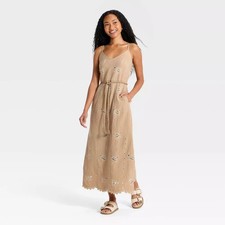
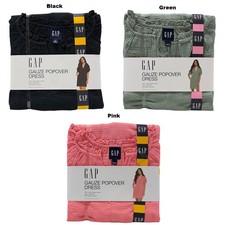
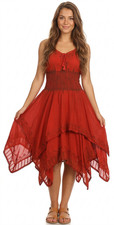
Shopping for summer dresses online involves navigating a vast selection of styles, ranging from casual cotton beach cover-ups to structured linen midi designs and high-end designer pieces. Understanding market pricing and fabric composition helps buyers secure the right dress without overpaying.
Prices typically span from around $15 for everyday fast-fashion pieces up to $50 or more for mid-tier brands, while premium designer garments can exceed $150. Most transactions cluster around the mid-twenties to upper-forties depending on brand pedigree and fabric quality.
Evaluating condition tiers, checking garment measurements, and prioritizing breathable textiles are the most effective ways to avoid common purchasing pitfalls in this category.
Understanding the Summer Dress Price Spread
The market for summer dresses features a broad pricing spectrum, driven primarily by brand reputation, fabric quality, and production volume. The entry-level tier, spanning roughly $10 to $25, is heavily populated by accessible retail brands offering cotton blends, polyester, and lightweight knits suitable for casual daily wear.
Moving into the $25 to $50 band reveals more established contemporary labels, specialized retail brands, and versatile midi or maxi silhouettes featuring details like smocked waists, button fronts, and lining. This mid-range often represents the sweet spot for everyday quality.
At the upper end, with prices rising past $100 and occasionally reaching several hundred dollars, listings feature luxury designers, specialized imported fabrics like 100% mulberry silk, or heavily embellished formal and semi-formal resort wear.
Condition Tiers Explained in Practice
New with tags (NWT) listings make up the vast majority of available inventory, often coming from retail overstock, deadstock, or current-season clearance. Buyers seeking unworn items with original retail packaging or tags will find abundant options in this tier.
New without tags (NWOT) items generally offer similar physical condition to NWT garments but may lack store tags or feature minor corrections like marked-out brand labels. These listings often provide slight discounts compared to their tagged counterparts.
Pre-owned options—ranging from good to excellent condition—are ideal for vintage collectors, shoppers hunting for sold-out designer collaborations, or those looking for broken-in natural fibers like linen and cotton gauze at a lower cost.
Fabric Selection for Warm Weather
Material composition dictates both the comfort and longevity of a summer dress. Natural fibers such as 100% cotton, linen, and silk dominate high-comfort listings, providing breathability and moisture regulation during hot weather.
Linen and cotton gauze are especially popular for relaxed silhouettes, though they are prone to natural wrinkling that requires careful washing and low-heat drying. Synthetic blends and lightweight polyester crepes appear frequently in budget-friendly mini and skater dresses, offering easier maintenance but less thermal breathability.
Silhouette Variations and Styling Versatility
Summer dresses span several core silhouettes, each suited to different occasions. Slip dresses and active tank styles are popular for casual outings, gym sessions, or warm-weather layering.
Midi shirt dresses and wrap styles provide polished options suitable for casual workplaces or daytime events, while flowy bohemian maxis and tiered sun-dresses are standard choices for beach vacations and outdoor gatherings.
Vetting Listings and Avoiding Common Pitfalls
Because sizing varies drastically across different brands and international manufacturers, relying solely on letter sizes like small or medium can lead to poor fits. Reviewing specific garment measurements—such as chest width, waist, and total length—ensures better accuracy.
Buyers should also carefully inspect fabric care instructions, as delicate materials like silk or structured linen often require hand washing or dry cleaning, whereas cotton blends generally tolerate machine washing on gentle cycles.
Before you buy
- Always check specific flat-lay measurements for bust and waist instead of relying purely on letter sizes.
- Verify the fabric composition to ensure the garment uses breathable natural fibers like linen or cotton if you live in extremely hot climates.
- Factor in potential dry-cleaning costs if purchasing delicate materials like silk or heavily embellished resort wear.
- Review listing photos closely for condition details on pre-owned items to check for loose threads or wear around high-friction areas.
- Confirm whether unlined dresses require slip layers, particularly when purchasing lighter-colored fabrics or lightweight cotton gauzes.
- Check return policies before purchasing final-sale clearance items or vintage pieces.
Frequently asked questions
What is the typical price range for a new summer dress?
Most new summer dresses from popular retail brands price between $15 and $50. Specialized contemporary labels and designer resort wear often range from $100 to over $200.
Are pre-owned summer dresses a good value?
Yes, pre-owned listings in excellent condition often feature high-end natural fibers or sold-out designer items at a fraction of their original retail cost.
Which fabrics are best for hot summer weather?
Lightweight natural fibers like 100% cotton, linen, cotton gauze, and silk offer superior breathability and comfort compared to heavy synthetic materials.
How do I ensure the correct fit when buying online?
Look past generic size labels and check the seller's specific flat-lay measurements for the bust, waist, and total garment length to compare against clothing you already own.
What does 'New without tags' mean for clothing?
New without tags indicates that the garment has never been worn or used, but it lacks the original store retail tags, often due to overstock liquidations or removed store labels.
How should I wash linen and cotton gauze summer dresses?
Many linen and cotton garments prefer machine washing on cold with gentle cycles and low-heat tumbling, though checking individual garment care tags prevents accidental shrinkage.