Shopping for brand-new dresses with original tags attached opens up a vast market that spans everyday casual wear, versatile midi styles, and high-end designer pieces. Whether you are hunting for a budget-friendly cotton sundress or a luxury silk evening gown that still carries its retail store ticket, the online inventory offers millions of options.
Prices in this category vary dramatically based on the original retail value and brand positioning. While mass-market everyday pieces frequently anchor the lower end of the pricing spectrum around the mid-teens, designer and contemporary labels command significantly higher figures depending on fabric complexity and brand scarcity.
Navigating this immense selection successfully requires understanding what drives the price differences between casual daily staples and luxury statements. Knowing how to verify sizing, fabric compositions, and specific garment attributes helps ensure you secure a piece that meets your expectations.
Understanding the Price Spread and Market Tiers
The market for brand-new tagged dresses is characterized by a wide price distribution, with a median price hovering near the $16 mark. This lower-to-mid tier is heavily populated by accessible contemporary and high-street brands offering cotton, linen blends, and rayon everyday wear.
As you move into the upper quartiles, prices climb past $37 and frequently exceed $100 for specialized or contemporary labels. The upper tier features specialized detailing, structured tailoring, premium natural fibers like pure silk and linen, and prestigious designer names that retain a fraction of their original retail value even on secondary platforms.
Everyday Staples Versus Designer Labels
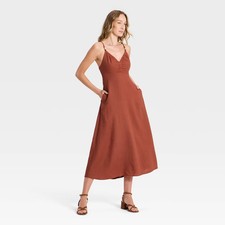
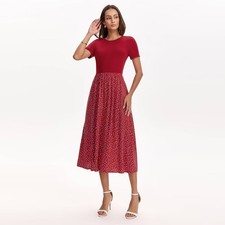
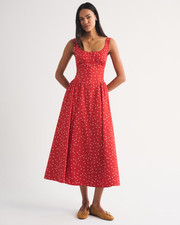
Mass-market and casual everyday dresses make up a substantial volume of available inventory. These garments prioritize comfort and easy care, typically relying on machine-washable cotton, rayon, or linen-blends tailored into versatile silhouettes like midi sundresses, button-front styles, and tiered maxis.
Conversely, designer and contemporary pieces focus on elevated craftsmanship, unique silhouettes, and premium hardware or embroidery. Items from luxury houses or specialized contemporary lines often feature intricate beadwork, specialty knits, or structured corsetry that demand dry cleaning or gentle hand care.
Fabric Composition and Seasonal Materials
Material choice dictates both the drape of the garment and its long-term maintenance requirements. Breathable natural fibers such as 100% cotton and lightweight linen are exceptionally common in warm-weather and resort styles, offering comfort during high-temperature months.
Synthetic blends and structured weaves, including polyester, nylon, and viscose yarns, frequently appear in pieces designed with sharper tailoring, stretchy comfort fits, or glossy satin finishes. Reviewing the exact fiber content in the garment details helps manage expectations regarding stretch, breathability, and laundering.
Evaluating Fit and Sizing Consistency
Because inventory spans countless brands, sizing standards fluctuate significantly from one manufacturer to another. A medium in a relaxed cotton sundress may fit differently than a structured designer piece cut for a slim silhouette.
Pay close attention to specific structural details mentioned in descriptions, such as smocked elastic backs, adjustable straps, hidden side zippers, or built-in waist ties. These features often provide a more forgiving fit or allow minor adjustments compared to rigid, non-stretch fabrics.
Key Vetting Strategies for New with Tags Listings
When purchasing brand-new items, confirming the actual presence of original retail tags is essential. Sellers should clearly document whether the garment retains store tags, manufacturer labels, and any original retail price markers.
Additionally, scrutinize care instructions and garment specifics to avoid surprises. Checking whether a dress requires specialized dry cleaning or allows standard machine washing ensures the piece aligns with your lifestyle and maintenance preferences.
Before you buy
- Verify the exact fiber content in the description to ensure the fabric meets your comfort and breathability needs.
- Check for functional adjustments like adjustable straps, elastic smocking, or tie waists if you are between standard sizes.
- Review care instructions carefully to confirm whether the garment requires dry cleaning or can be machine washed at home.
- Look for practical features like side pockets or full linings if functionality is a priority for your everyday wardrobe.
- Compare the listed brand's typical sizing chart against your personal measurements before committing to a purchase.
Frequently asked questions
What does 'New with tags' mean for dresses?
It indicates that the garment is unworn, unwashed, and still retains its original retail store tags or manufacturer tickets attached to the fabric.
Why is there such a large price gap between listings?
Pricing reflects the brand tier and original retail value. Mass-market everyday cotton dresses sit at the lower end, while luxury contemporary designer pieces command higher prices.
Are most of these dresses machine washable?
Many everyday cotton and linen blends are machine washable on gentle cycles, but structured, beaded, or silk designer pieces usually require dry cleaning or hand washing.
How do I know if a dress runs true to size?
Sizing varies widely by brand. Checking specific garment details for stretch fabrics, smocked panels, or adjustable straps helps determine how flexible the fit will be.
What fabric types are most common for summer dresses?
Lightweight cotton, breathable linen-rayon blends, and airy viscose yarns dominate warm-weather inventory to keep garments cool and comfortable.
Do tagged dresses include original retail prices on the tags?
Many do, though some store tags may have price markings partially obscured or removed by liquidating retailers before secondary sale.