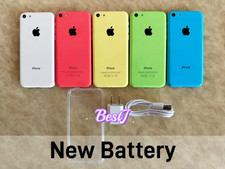
Navigating the market for used Apple iPhones requires understanding a massive span of generations, device conditions, and pricing tiers. Because Apple supports its hardware with software updates for many years, older handsets maintain functional relevance long after their initial release, creating a diverse marketplace ranging from sub-fifty-dollar vintage pieces to premium recent-generation flagships.
The market median sits around the sixty-dollar mark, which heavily concentrates legacy devices like the iPhone 5 series, iPhone 6, and early iPhone SE variants. However, moving up into modern hardware—such as the iPhone 12, 13, and 14 generations—shifts price expectations considerably higher. Knowing what separates a reliable daily driver from an outdated device helps buyers secure the right phone without overpaying.
Evaluating used smartphones effectively means looking beyond the headline price tag. Battery health, carrier lock status, and storage capacity dictate the true value of any listing, ensuring that a low initial investment does not result in unexpected limitations or immediate replacement costs.
Decoding the Price Spread: From Legacy Models to Flagships
The pricing structure for used Apple smartphones spans a remarkably wide spectrum, driven almost entirely by the age of the hardware and its cellular compatibility. At the lowest end of the spectrum, prices land under forty dollars, featuring classic devices like the iPhone 4, 5c, and early iterations of the iPhone 6. These ultra-budget options typically serve as basic communication tools, backup phones, or novelty items.
Mid-tier pricing, ranging from roughly one hundred to two hundred dollars, generally introduces devices like the iPhone SE second and third generations, iPhone X, and iPhone 11. These models offer modern app compatibility, superior processing power, and sustained software support.
The upper pricing tier, stretching past three hundred dollars and approaching the mid-four-hundreds, houses recent flagships including the iPhone 13, 14, and 15 series. Units in this bracket are chosen by buyers seeking advanced camera systems, long-lasting battery life, and multi-year longevity without paying retail prices for brand-new hardware.
Understanding Condition Tiers in Pre-Owned Apple Devices
Used smartphone listings generally fall into recognizable cosmetic and functional tiers that directly influence the asking price. Devices labeled as 'Mint' or 'Pristine' show virtually no signs of prior use, often featuring unblemished glass and pristine housing, making them command top dollar within their respective model generation.
Units classified as 'Very Good' or 'Good' represent the most common sweet spot for buyers. These phones typically exhibit minor cosmetic wear, such as light micro-scratches on the screen or small scuffs on the aluminum or stainless steel frame, but their core functional performance remains entirely uncompromised.
Lower-tier listings, often marked as 'Fair', feature more pronounced exterior wear, including deeper scuffs, casing dings, or minor display imperfections like slight yellow tinting or bright spots. While these aesthetic flaws do not interfere with daily operation, they offer substantial savings for budget-conscious shoppers willing to overlook cosmetic blemishes.
The Critical Importance of Battery Health and Replacement Status
Battery longevity stands out as one of the most vital metrics when purchasing a used smartphone. Lithium-ion batteries degrade over time through standard charge cycles, leading to diminished daily operational endurance and potential performance throttling on older iOS versions.
Many specialized vendors and individual sellers explicitly state battery health percentages—often highlighting thresholds above eighty or eighty-five percent—or note that a brand-new aftermarket battery has been installed. Reviewing these details prevents buyers from inheriting a device that requires immediate professional servicing.
When purchasing legacy devices where maximum battery capacity indicators are unavailable in the software settings, buyers should factor potential replacement costs into their purchasing decision, particularly if the device is intended for primary daily use.
Carrier Locking vs. Factory Unlocked Devices
Compatibility with cellular networks remains a frequent point of confusion for buyers exploring the pre-owned market. Factory unlocked models provide ultimate flexibility, allowing seamless swapping of SIM cards or activation of eSIM profiles across major national carriers and regional providers alike.
Conversely, carrier-locked devices—frequently tied to networks like AT&T, T-Mobile, or Verizon—are usually priced more aggressively. While these locked handsets offer immediate savings, buyers must ensure the device is compatible with their specific service provider or verify that the phone is eligible for an official carrier unlock.
Additionally, prospective buyers must confirm that any prospective purchase features a clean IMEI and is entirely free of previous owner cloud activation locks, ensuring the hardware can be set up fresh without restriction.
Software Support Limits and App Compatibility
Hardware capability means little if an older smartphone can no longer run modern applications. Apple supports its device lineup with major operating system updates for several years, but eventually, older processors and RAM limitations force legacy models onto static software versions.
Extremely budget-friendly legacy devices, such as those running early iterations of iOS or capped at outdated software versions, may encounter compatibility blocks when attempting to download popular contemporary messaging, banking, or streaming applications.
Buyers seeking a device for everyday modern app usage should carefully verify the maximum supported iOS version for the specific model generation they are targeting, ensuring the phone remains functional for current digital workflows.
Before you buy
- Verify whether the device is factory unlocked or locked to a specific carrier before completing your purchase.
- Check the description for explicit battery health percentages or notes regarding recent battery replacements.
- Confirm that the phone has a clean IMEI and is completely free of previous owner cloud activation locks.
- Assess whether the maximum supported iOS version for the model meets your daily app and security requirements.
- Factor in the cost of acquiring a compatible charging cable, as most used listings exclude accessories.
- Inspect condition descriptions carefully to determine whether minor cosmetic wear like frame scuffs aligns with your preferences.
Frequently asked questions
What should I look for regarding battery health when buying a used iPhone?
Check if the listing specifies battery health percentage, ideally looking for units above eighty percent. Some listings also highlight newly installed replacement batteries, which provide extended daily usage compared to heavily cycled original cells.
Are ultra-budget used iPhones under fifty dollars still usable today?
Extremely low-priced legacy models are generally limited by outdated software support and older processors. While they function well for basic calls, music playback, or as backup devices, many modern applications will not install on older iOS versions.
How do I know if a used iPhone will work with my carrier?
Look for listings explicitly designated as 'Factory Unlocked', which accept SIM cards from any major network. If a device is carrier-locked, ensure it matches your specific provider or confirm that the seller permits unlocking.
What is the difference between 'Mint' and 'Good' condition tiers?
Mint condition devices look nearly new with pristine screens and housings, whereas Good or Very Good units feature normal cosmetic wear such as light scuffs or minor scratches from daily handling that do not affect overall functionality.
Can I update older used iPhones to the latest iOS version?
No. Apple limits software updates based on hardware generation. Older models like the iPhone 5 series or iPhone 6 are capped at older software releases, meaning they cannot access features found on recent iOS versions.
What does a clean IMEI mean in a used smartphone listing?
A clean IMEI indicates that the device has not been reported lost, stolen, or blacklisted by any carrier, ensuring it can be activated successfully on cellular networks without financial encumbrances.
Do used iPhones come with chargers or accessories?
Most pre-owned listings from professional vendors include the phone only, omitting charging blocks, Lightning or USB-C cables, and headphones to keep costs low, so buyers should plan to source cables separately.