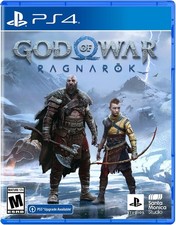
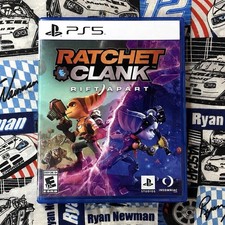
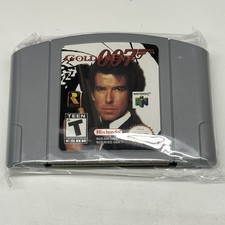
Navigating the vast library of NTSC-U/C region video games requires an understanding of how regional coding, platform scarcity, and physical media conditions influence the market. Titles engineered for the North American hardware standard span multiple generations of consoles, each carrying distinct value propositions for players and collectors alike.
Prices in this marketplace typically cluster around a median point in the upper-$20 range for standard new and modern releases, but the broader distribution stretches from budget-friendly retro cartridges under $10 up to premium collector's editions and scarce role-playing games exceeding $100. Understanding what drives these variations ensures you secure authentic hardware-compatible media without overpaying.
Understanding the Price Spread and Market Tiers
The market for NTSC-U/C games features a wide price spectrum, heavily influenced by the age of the platform and the printing run of the title. Entry-level purchases, often found in the $5 to $20 range, typically consist of loose retro cartridges, older generation disc-based games in standard cases, or digital membership vouchers. These options are ideal for budget-conscious gamers who prioritize playability over pristine packaging.
Mid-range titles usually land between $21 and $38, representing the bulk of standard physical releases for modern consoles like PlayStation and Nintendo systems. The upper tiers—spanning from $40 up to nearly $70 and beyond—are populated by newly released blockbusters, rare handheld cartridges, and definitive editions bundled with physical extras like art books or special packaging.
Condition Tiers Explained for Physical Media
Brand New and factory-sealed copies dominate the listings volume, offering buyers the security of untouched components, original shrink-wrap, and valid promotional inserts. However, older retro titles sold as brand new often warrant a closer look to distinguish genuine factory seals from aftermarket resealing.
Like New and Very Good listings provide a practical alternative for gamers who want clean cases, unblemished discs, or functional cartridges without paying a collector's premium. Good and Acceptable tiers usually feature noticeable wear on the exterior case or manual, but the underlying media remains fully functional for gameplay.
Platform Compatibility and Region Locking
Ensuring your hardware matches the software region is critical when purchasing NTSC-U/C titles. These North American region-coded games are designed to operate natively on US and Canadian consoles, and attempting to run them on PAL or Japanese hardware without modification can result in compatibility errors.
While modern systems like the Nintendo Switch and recent PlayStation and Xbox consoles have embraced broader region-free policies for many software titles, legacy platforms such as the Nintendo 64, original PlayStation, and Game Boy lines maintain strict regional boundaries. Always verify both the console region and the specific cart or disc code before completing a purchase.
Evaluating Retro Cartridges Versus Modern Discs
Shopping for older cartridge-based systems involves different risk factors than buying modern optical media. Retro listings frequently note whether a game is an original release or a modern reproduction, with authentic vintage copies demanding higher prices due to collector demand.
Disc-based games for platforms like the PlayStation 3, 4, and 5 require careful inspection of the data surface for deep scratches, alongside confirmation that original case artwork and inserts are present if collectibility is a priority for your collection.
Key Warning Signs to Watch for in Listings
Because the market includes a mix of professional liquidators and independent sellers, reading listing descriptions with a critical eye is essential. Vague titles that rely heavily on generic stock photos or promotional descriptions without detailing the exact item condition should be approached with caution.
Be particularly mindful of listings offering digital game codes, downloadable content, or online membership extensions rather than physical media, as these often carry strict expiration dates, account limitations, or single-use restrictions that prevent resale.
Before you buy
- Verify that the game's region code explicitly matches NTSC-U/C to ensure compatibility with your North American console.
- Check whether the listing is for a physical disc or cartridge versus a digital redemption code or membership pass.
- Read the item description carefully to distinguish between original vintage retro games and modern reproduction cartridges.
- Inspect seller condition notes regarding disc scratches, case wear, and the presence of original artwork or instruction manuals.
- Compare the asking price against typical median market values for the specific platform and condition tier to avoid overpaying.
- Confirm shipping details and whether tracking or secure protective packaging is included for fragile collector items.
Frequently asked questions
What does NTSC-U/C region coding mean?
NTSC-U/C refers to the television signal and regional lockout standard used primarily in the United States and Canada. Software bearing this region code is manufactured to run on North American hardware consoles.
Why do some retro games cost significantly more than modern titles?
Retro game pricing is driven by collector demand, limited original print runs, and the difficulty of finding functional, well-preserved cartridges or discs in complete-in-box condition.
Are brand new factory-sealed games worth the extra cost?
Factory-sealed games appeal primarily to collectors who value pristine packaging and untouched components. If your primary goal is simply playing the game, open or pre-owned copies in good condition offer identical gameplay functionality at a lower price point.
Will NTSC-U/C games work on European consoles?
Most legacy consoles enforce strict regional locking, meaning North American NTSC-U/C discs or cartridges will not boot on European PAL hardware without specialized adapters or hardware modifications.
How can I tell if a retro cartridge is authentic?
Check the listing details for confirmation of original manufacturer stamps, board markings visible through the casing, and seller transparency regarding replacement labels or modern reproduction boards.
Do pre-owned disc games include original cases and manuals?
Inclusion varies by seller and listing. Listings graded as Very Good or Like New typically include the original case and cover art, while budget tiers may ship as disc-only in generic sleeves.